
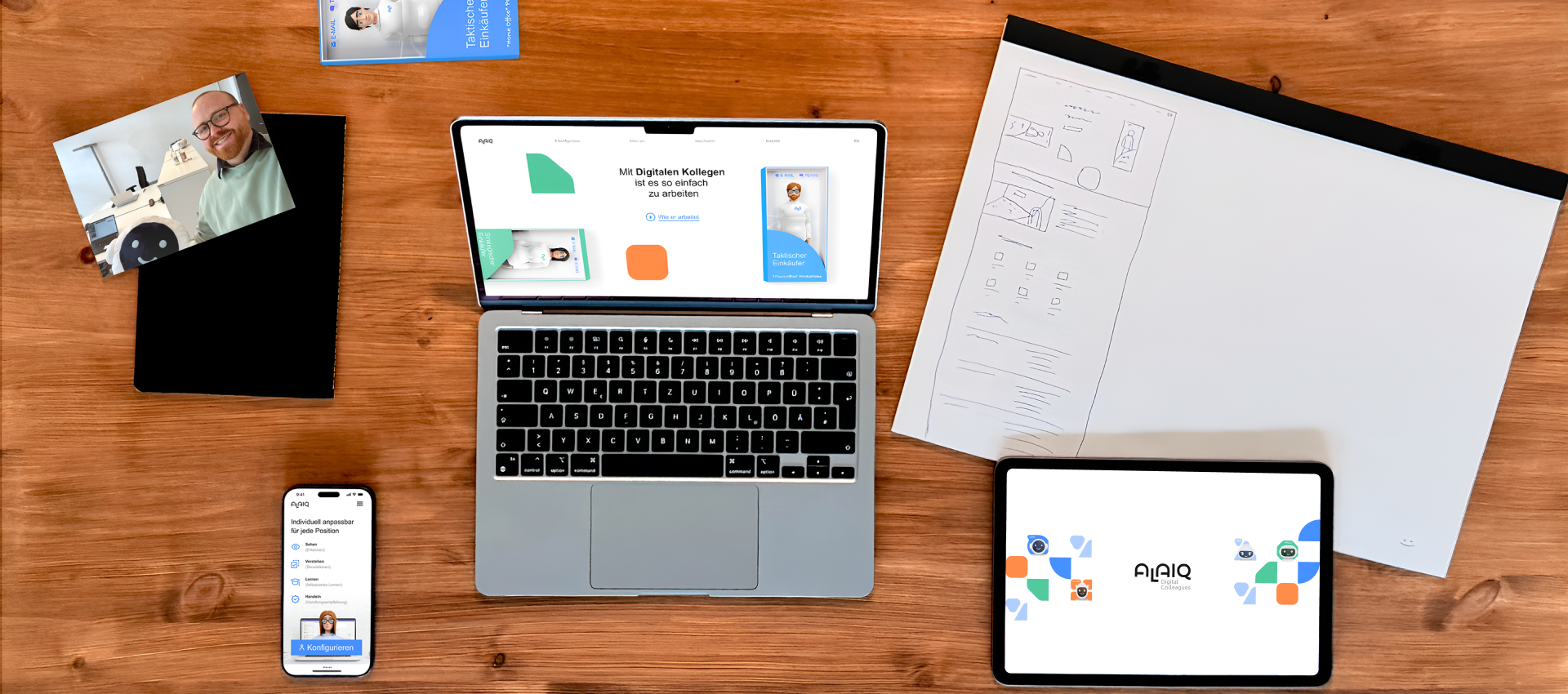
ALAIQ is a German-based SaaS pioneer that builds "Digitale Kollegen" (Digital Colleagues)—sophisticated AI-enabled agents designed to handle complex administrative tasks (such as procurement, invoicing, and logistics) within existing corporate workflows.
As the Senior Product Designer, my mission was to lead the end-to-end design strategy. I was tasked with shaping the company's product ecosystem from the ground up: translating highly technical AI mechanics into an intuitive, trustworthy, and human-friendly enterprise experience.
End-to-end product design for an AI startup
Context

Problem
The Trust & Comprehension Gap (B2B Marketing)
AI automation is often perceived as intimidating, complex, or a threat to jobs.
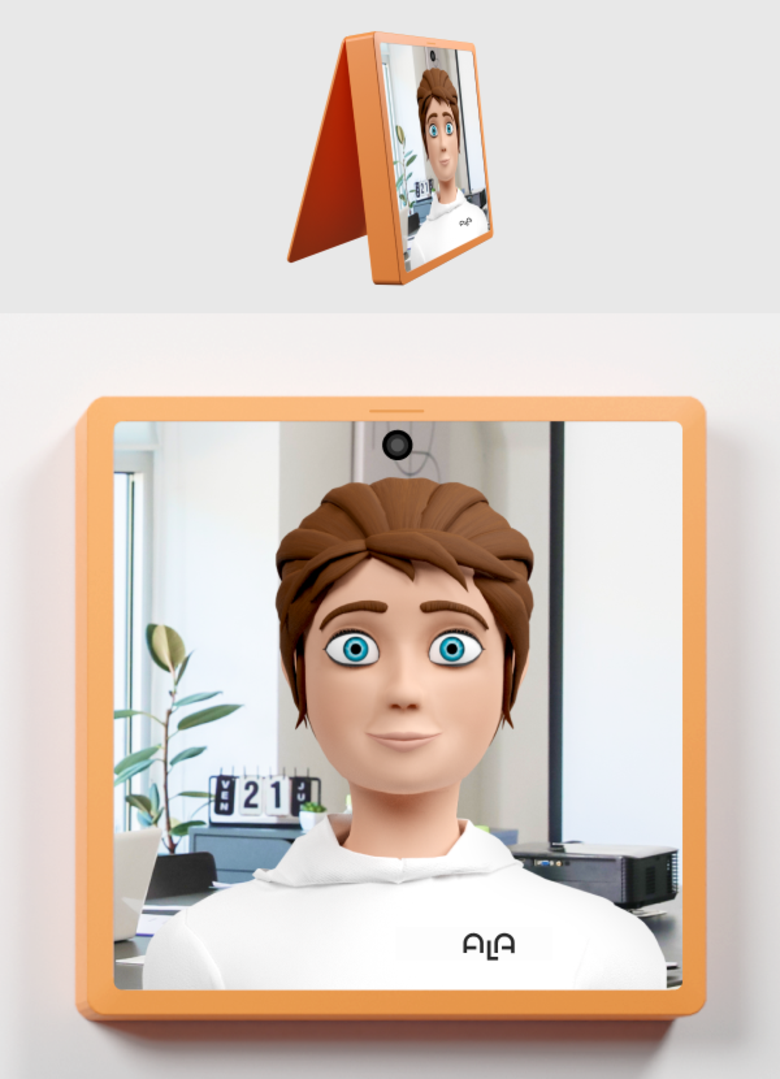
We needed a brand identity and a customer-facing website that reframed "AI automation" into a collaborative, friendly, and highly approachable "Digital Colleague"
that employees would welcome.
Product Complexity & Interaction Barriers
Configuring a custom AI agent (defining data skills, software permissions like SAP/Outlook, and communication protocols) was technically overwhelming, lacking a standardized, scalable onboarding process. Furthermore, once deployed, there was no intuitive way for non-technical employees to collaborate or assign tasks to their new "Digital Colleague"—demanding a seamless, everyday interaction model (via text messages) that felt as natural as messaging a human coworker without requiring complex prompt engineering.
Process
and Proposal
Phase 1: Brand & Design System
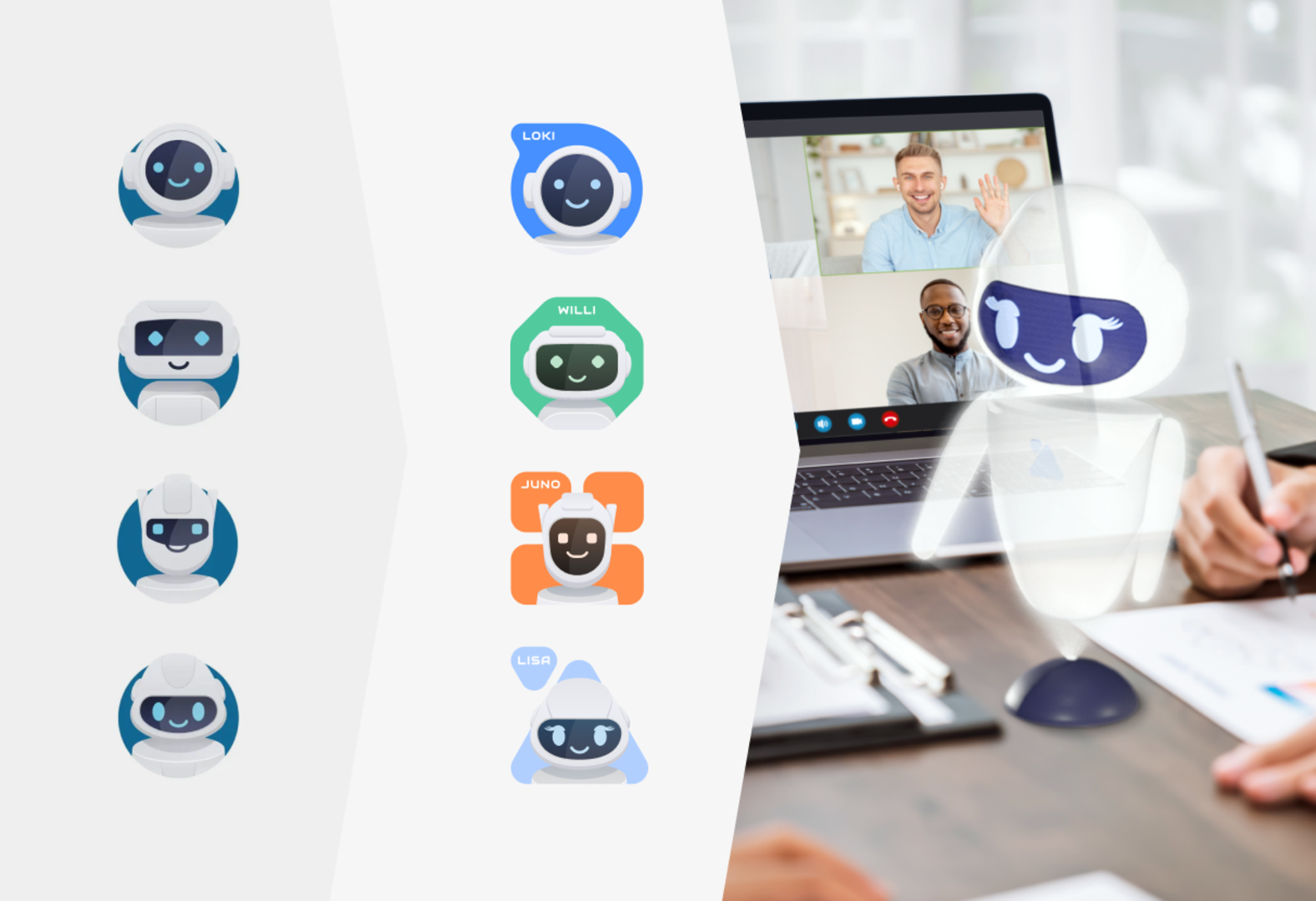
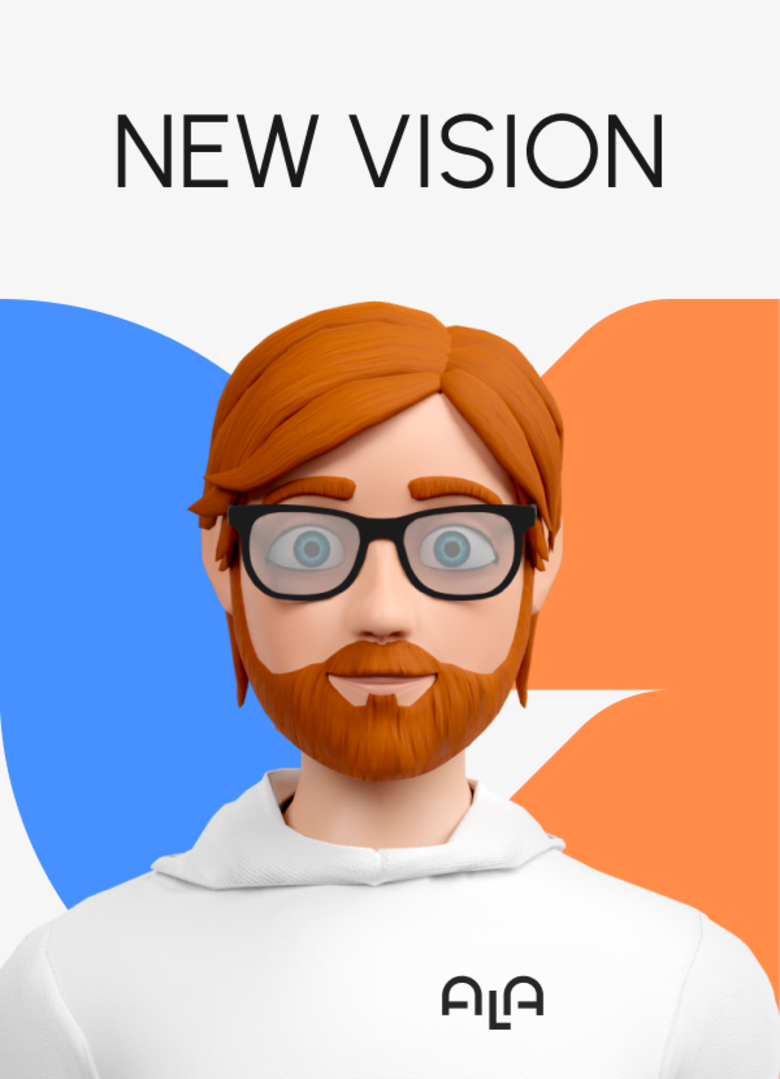
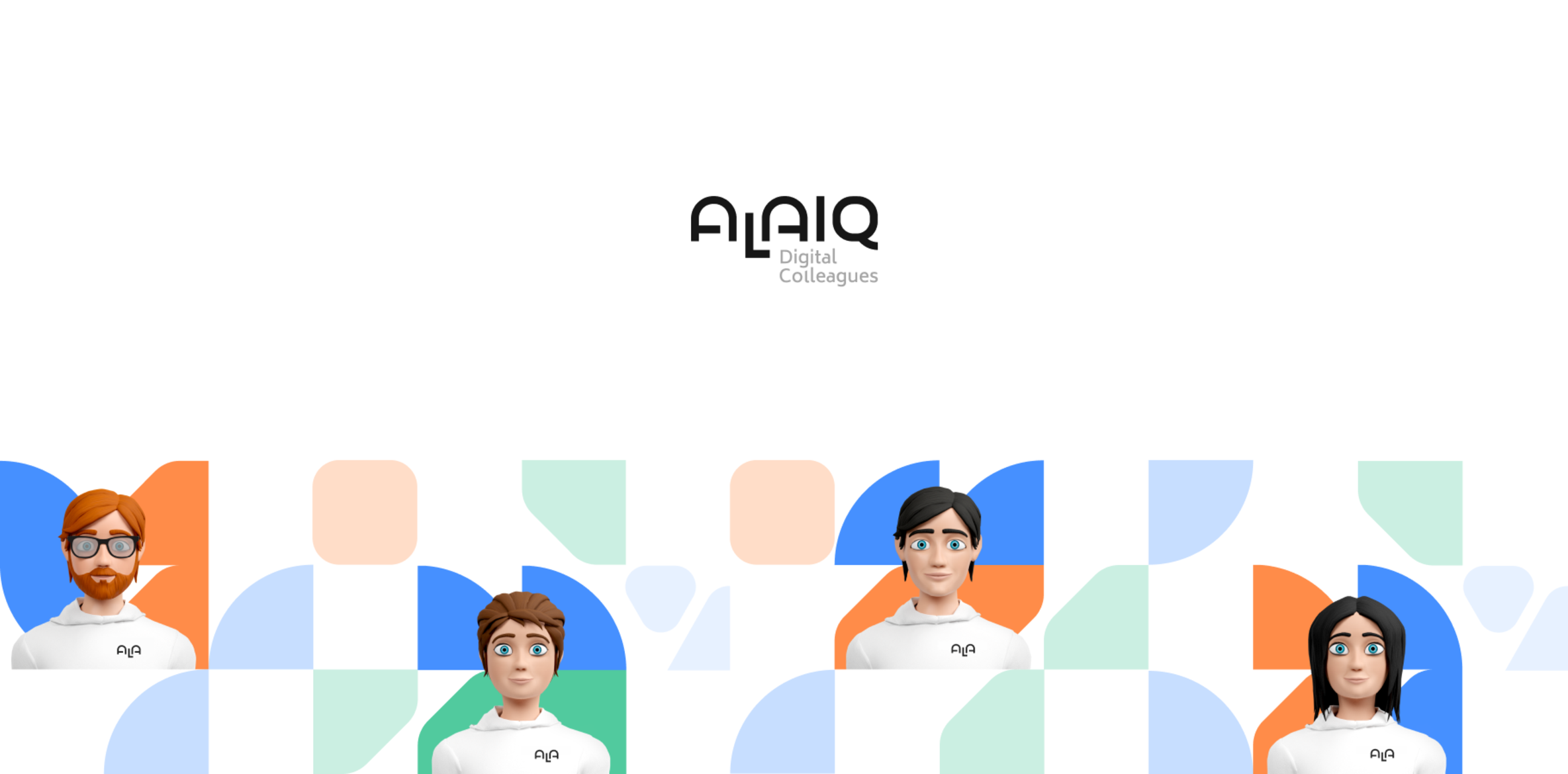
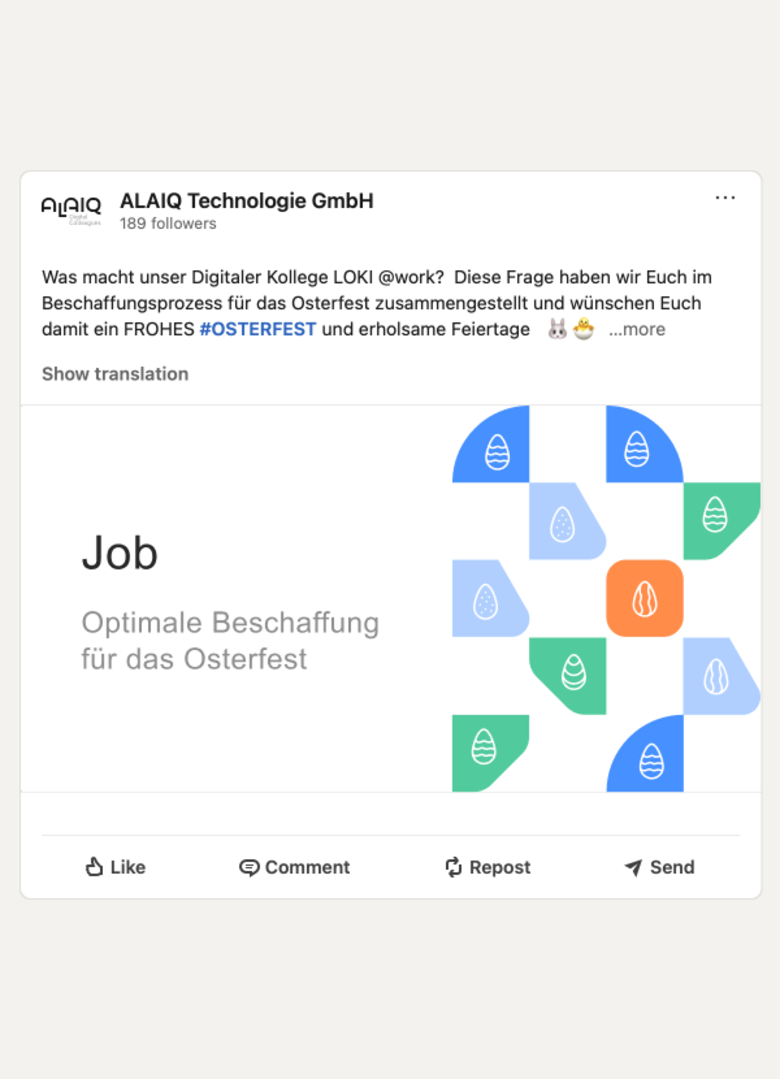
To balance technical precision with human warmth, I designed a friendly geometric visual identity and brand system, deliberately rejecting a hyper-futuristic, dark "sci-fi" aesthetic because research showed non-technical B2B clients associated sci-fi visuals with high complexity and job-loss anxiety.
What I Built:
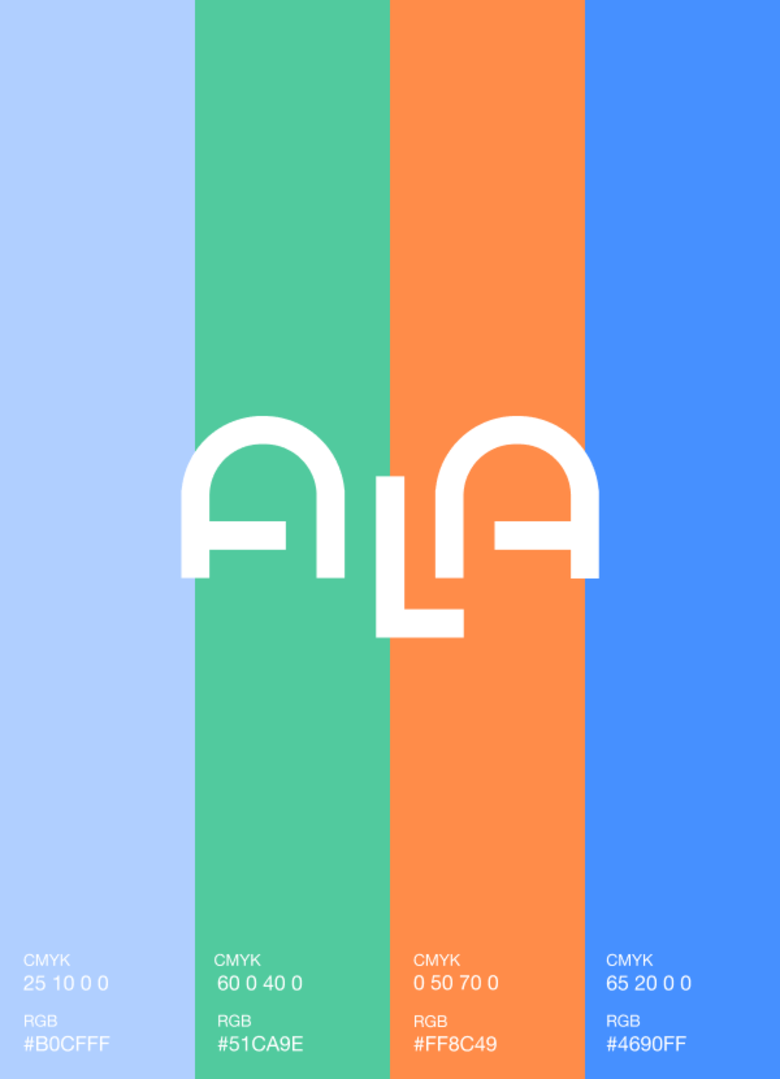
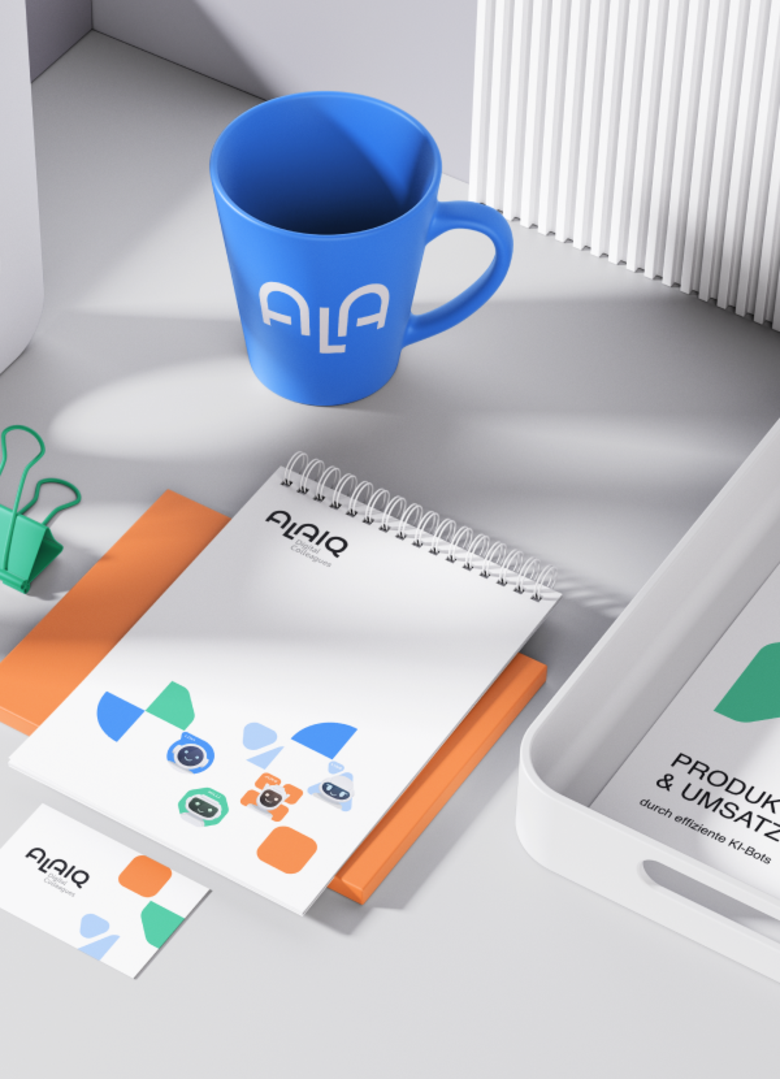
I created a warm, friendly brand ecosystem for "ALAIQ" and "Digitale Kollegen" using soft geometric shapes, humanized vector assets, and a crisp, accessible color palette (blues, greens, and oranges), rolled out across over 100 digital, video, and print assets.
Why This Way:
By leaning into approachability rather than cold tech, the system reframed automated AI agents as supportive "colleagues," lowering adoption anxiety and building immediate trust with non-technical B2B buyers.
Phase 2: Journey Mapping, Personas & Problem Framing
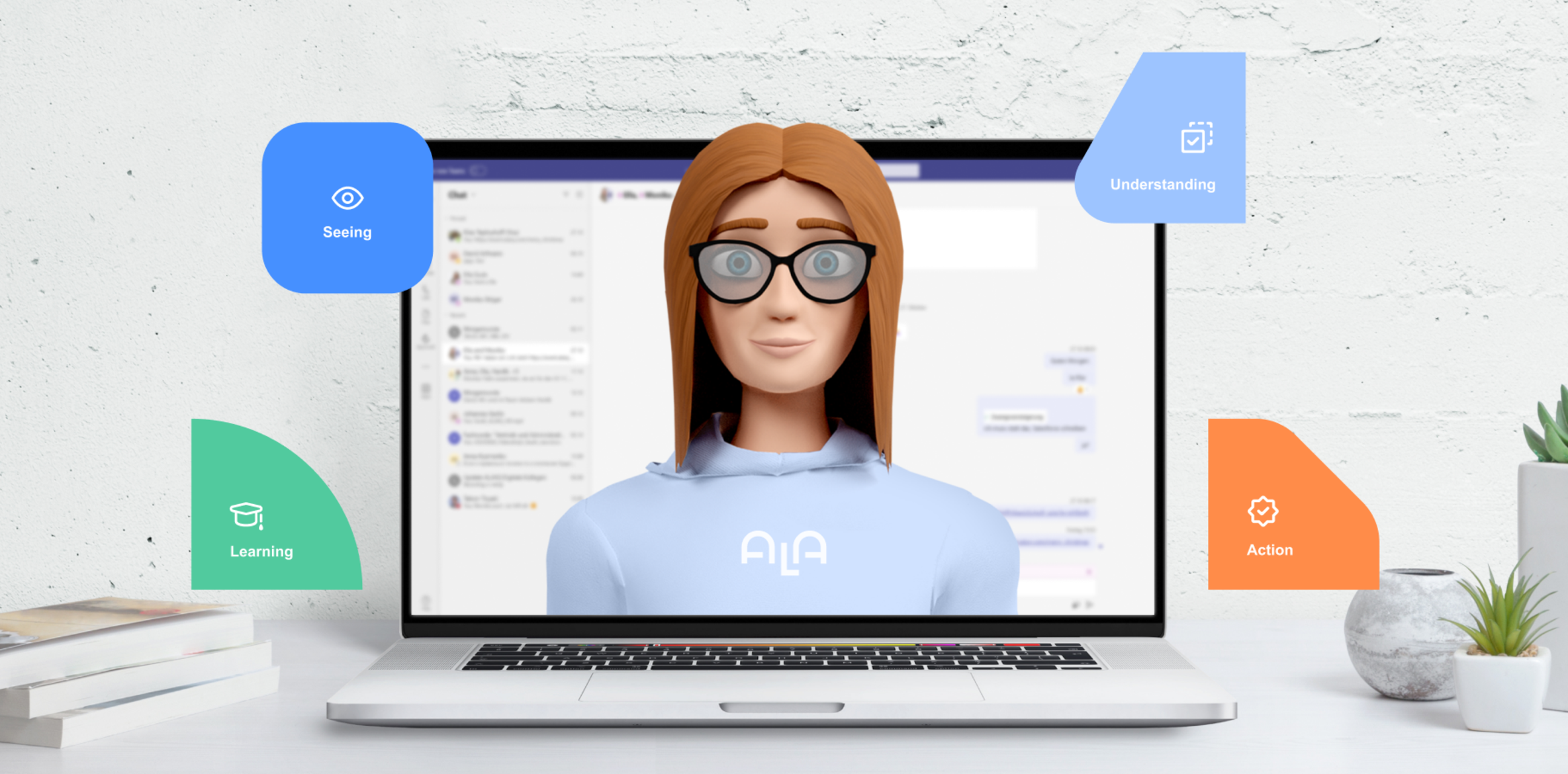
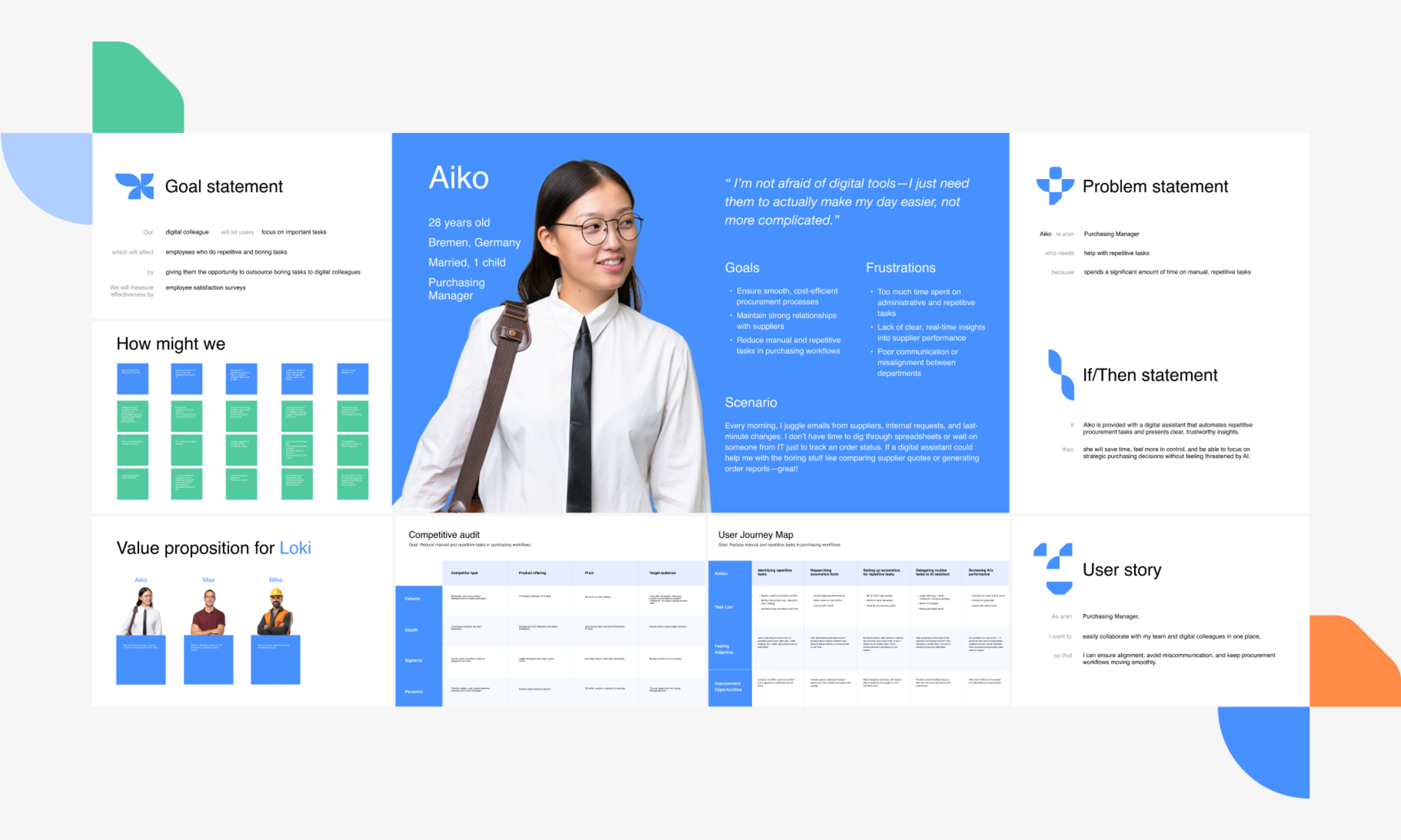
To align technical capabilities with user realities, I built core research artifacts including user personas (like Aiko, the Purchasing Manager), user journey maps, and "How Might We" matrixes. Deeply mapping the user's fears of system complexity allowed me to strategically frame the entire product experience around user control and a clear, logical "If/Then" structure before moving into any visual user interface design.
What I Built:
A structured user experience framework, value proposition maps, and a guided "If/Then" user story logic tailored directly to administrative managers.
Why This Way:
Designing the onboarding around targeted user goal statements ensures the platform solves real day-to-day frustrations (like tracking order statuses), proving the tool makes their work easier, not more complicated.
Phase 3: Adaptive Website Framework & Integrated Marketing Campaign
Faced with frequent shifts in startup direction, I adopted an ultra-agile mindset by redesigning the web portal from scratch three separate times, rejecting prolonged design phases in favor of intentionally simplified interfaces to accelerate development. To drive immediate market attention, I built a creative concept around "digital colleagues in a box" that capitalized on the viral Barbie movie trend, ensuring our web experience and social media promotional campaigns were tightly synchronized to launch quickly alongside these strategic pivots.
What I Built:
highly flexible, intentionally simplified web interface designed for rapid adaptation, alongside a cohesive suite of digital and social media promotional materials themed around the viral "digital colleagues in a box" concept.
Why This Way:
Streamlining the UI architecture allowed the engineering team to deploy major strategic updates rapidly without bottlenecks, while leveraging a massive pop-culture trend in our social channels maximized audience engagement and brought immediate, approachable visibility to a complex B2B product.

Phase 4: Conversational Architecture & Usability Testing
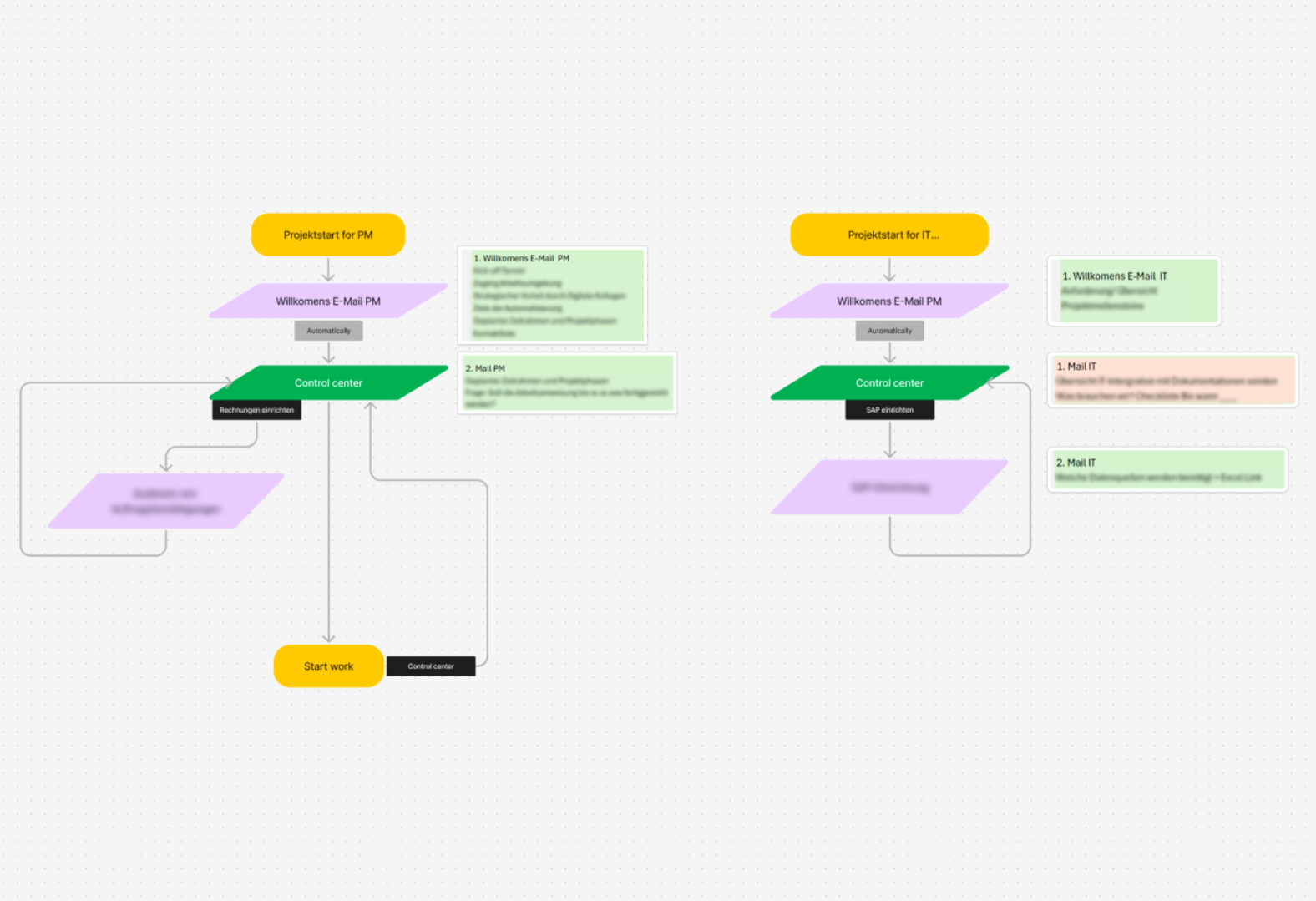
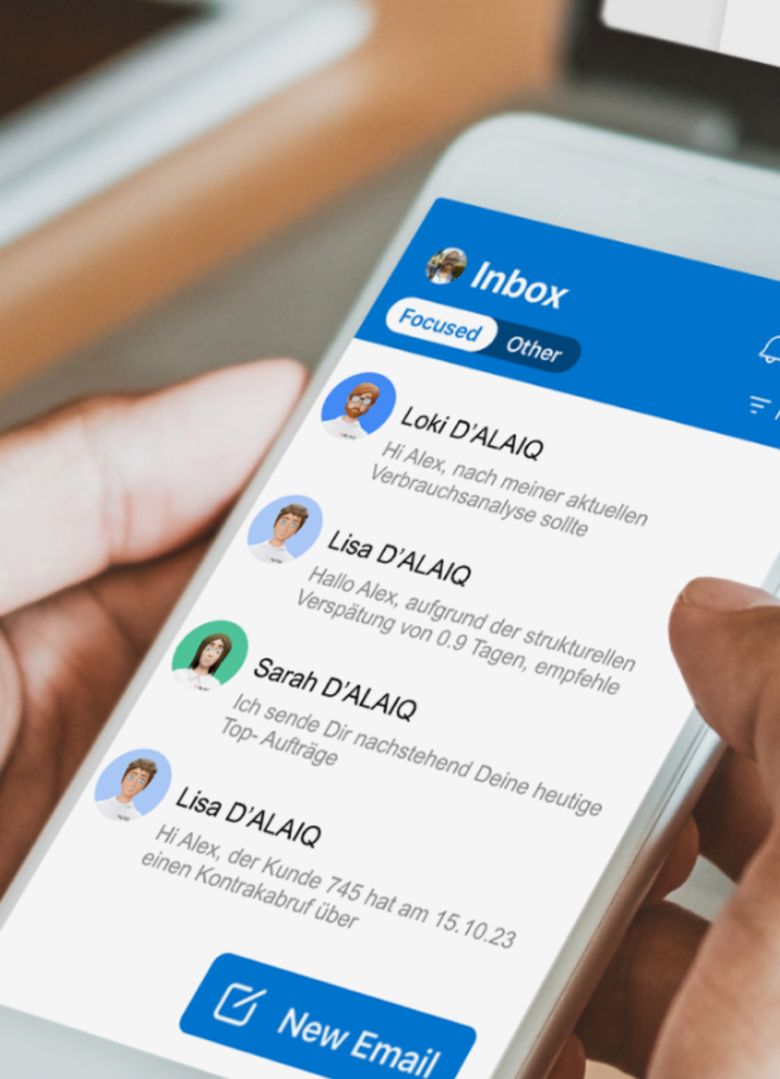
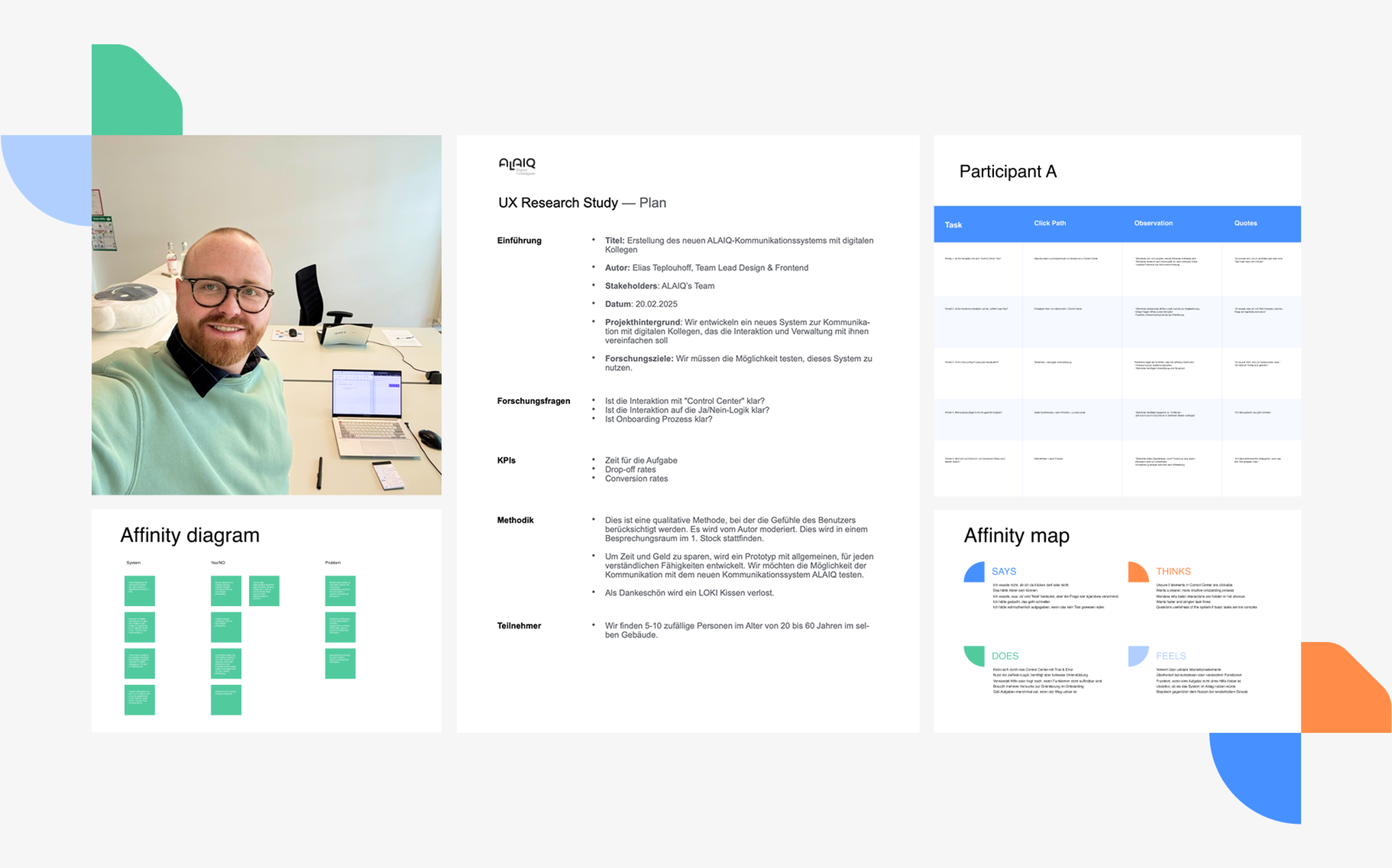
To establish an effortless day-to-day interaction model, I mapped out conversational email workflows and ran rapid usability testing loops. I rejected building a proprietary standalone communication app or launching with complex, nested Slack integrations because cognitive walkthroughs and user testing proved that meeting non-technical employees where they already work—via standard email—maximized daily engagement and significantly reduced adoption friction.
What I Built:
A highly responsive conversational email workflow system featuring structured text triggers, predictive message strings, and clear automated error handling.
Why This Way:
Utilizing everyday email threads eliminated the learning curve for the end user, allowing non-technical employees to easily delegate tasks and receive updates from their digital colleague using familiar communication habits they use every day.
Result
By humanizing complex AI mechanics and prioritizing hyper-adaptable, frictionless interfaces, the new ecosystem bridged the trust gap and drove measurable commercial and operational success
Accelerated B2B Lead Conversion: The combination of the trend-aligned web framework and the intuitive "digital colleague" onboarding concept successfully demystified the product for non-technical buyers, driving a 30% increase in customer flow straight from the website.
Frictionless Human-AI Adoption: Transitioning to a conversational email-based architecture bypassed the typical learning curve. Usability testing and cognitive walkthroughs proved that leveraging existing email habits drastically reduced user friction, resulting in a measurable increase in customer satisfaction and long-term willingness to integrate the product into daily corporate workflows.
Scalable Design System & Multi-Iterative Agility: Training internal teams on the unified, warm geometric design system increased team efficiency by 30%. Furthermore, establishing this highly flexible component library and simplified UI framework allowed the design system to scale seamlessly across three major strategic pivots, enabling the deployment of new website variations rapidly without bottlenecks.
Creative Campaign & Market Visibility: Syncing the core web interface with the viral "digital colleagues in a box" multi-channel campaign captured rapid B2B market attention, successfully transforming an abstract, highly complex backend technology into a highly tangible, ready-to-sell corporate asset.